
In this blog we will help you understand the various costs that is involved in renovating an old roof and why you should consider over roofing as an efficient and more cost-effective option than replacing the old and constructing a new roof.
Renovating a roof is a major decision for both homeowners and property managers since, it involves a significant investment of your time, money and other resources. A degrading roof is not something you can ignore because if, left unattended it could lead to major damages involving huge costs and potential hazards. However, if you understand the cost and available options you can make a well-informed decision.
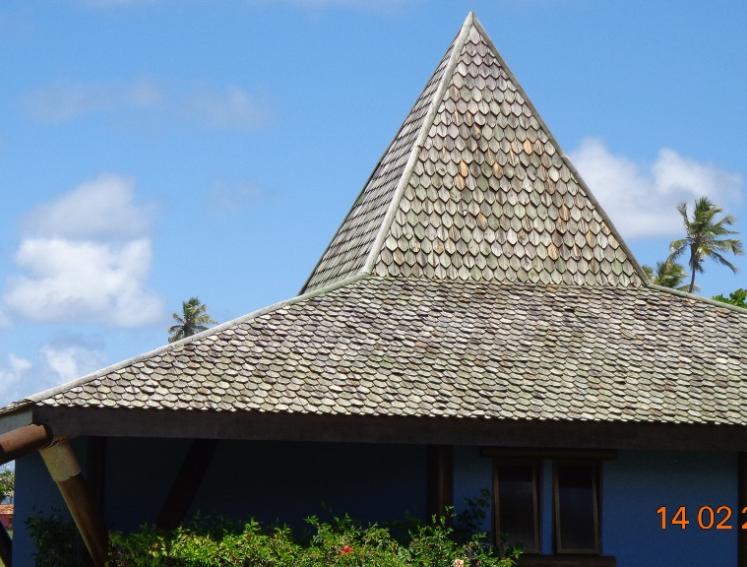
What are the signs your roof needs to be renovated?
You know it is time to replace your roof when:
- The roofing materials starts showing visible signs of deterioration like cracks, or your roofing tiles, sheets or shingles are missing.
- The roof starts leaking from a lot of places and a simple repair is no longer an option.
- There is visible sagging of the roof.
- The roof is very old. Typical life span of roof varies from 20-50 years depending on the primary roofing material.
Factors Influencing Roof Renovation Costs
Size and design of the roof
- If the measurement or size of your roof is large, you will require more material to cover the roof. Moreover, if the design is complex with multiple valleys and ridges that will also impact the cost as you need more material for the same. Hence the cost of material and labor charges will depend on the size of your roof as well as the design
Material Choice
- There are multiple roofing materials available in the market from the more common metal roofing sheets and clay roof tiles to modern options such as ceramic roofing tiles, architectural shingles and bitumen roofing sheets and tiles like ONDULINE. Each of them has varying costs, durability, and lifespans.
Location and Climate
- It is often observed that Labor rates and material costs can vary depending on the region. If your project is in less approachable areas or far from main cities, cost of transportation will also impact the overall cost of the project.
Accessibility and Height
- It the roof is at a height that is not easy to reach, or the pitch of the roof is very steep, then you might need special equipment to reach the roof. Such roofs may take more time to replace as well. Hence this factor will also shoot up your roof renovation cost.
What are the costs involved in roof renovation?
Let’s look at all the elements that will contribute to the cost of your roof renovation.
Choice of Roofing Material
The type of roofing material is the most important factor influencing cost. Most common roofing options for pitched roof are clay tiles, metal roofing, and modern roofing options like roofing shingles as well as corrugated bitumen roofing sheets and tiles like ONDULINE. slate. For example, Clay tiles and metal roofing are comparatively cheaper options than the other options available in the market
Flashing and Ventilation are other components that you need to consider along with the primary roofing material. They are used to divert water away from roof features like the skylights, and wall joints. Flashing materials can vary in cost based on quality, and in some cases additional ventilation might be needed to prevent moisture buildup.
Labor Costs
Labor is involved in the removal of old roofing if you are considering a complete roof replacement as well as for installation of new roof. You will also have to pay the labour charges for the disposal of old roof and debris.
Additional Costs
- If other structural elements beneath the roofing material are damaged, they will need to be repaired or replaced, adding to the overall cost.
- Waste Disposal is another cost to keep in mind when you go for complete roof replacement. Removing old roofing materials results in waste that must be disposed off properly. It is quite labour intensive and if you don’t dispose off properly you might end up paying additional fines to the local department.
- You might also need permits and inspections depending on your location before starting a roof replacement project. This may or may not come at an extra cost.
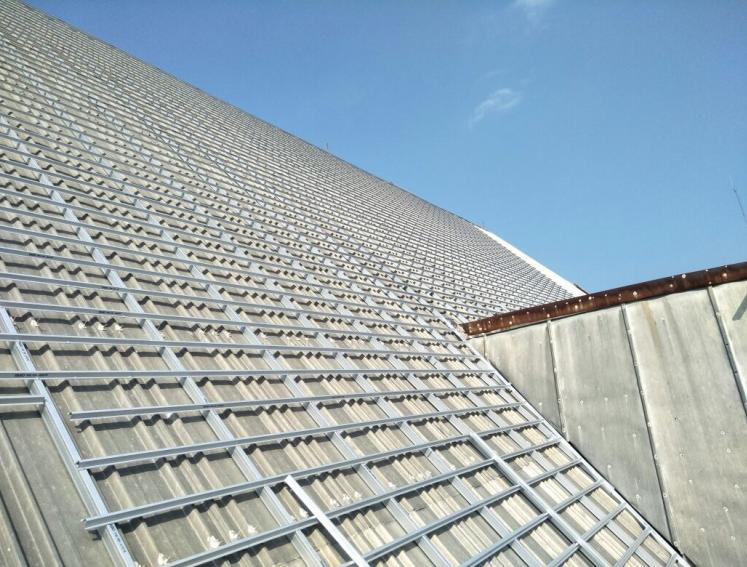
What are your options when it comes to Roof Renovation?
You can either opt for complete Roof Replacement or Over-Roofing. These are the two options you have. Both these options come at various costs and advantages.
What is Roof Replacement?
Roof replacement means you remove the existing roof and install a new one in its place. It helps in restoring the functionality, appearance, and structural integrity of the roof. The process involves removing the old roofing materials from the frame of the roof and installing new materials from scratch.
What is Over-Roofing?
Over-roofing is the process of installing a new layer of roofing material directly on top of the existing roof without removing the old one. Over-roofing is often considered a more cost-effective solution than total roof replacement for several reasons.
Why is over roofing a better choice than roof replacement?
Reduced Labor: You can considerably reduce the labor cost as well as waste disposal cost as you do not require to remove the old roof and dispose them off.
Does not disrupt the life under the roof: You can carry on with your daily activities under the roof since there is no tearing down of the old roof.
Faster Installation: The process is quicker because you need to waste time removing the existing roof.
Less Waste: Over-roofing generates less waste compared to a complete roof replacement, making it a more environmentally friendly option.
Lower Overall Costs: Since the process does not require much labor and very less waste disposal the overall project cost is typically lower.
Preservation of Existing Roof Structure: Over-roofing essentially acts as an additional barrier, shielding the existing roof from further wear and tear. By adding one more layer to the old roofing material, you can extend its lifespan as well as provide extra insulation, potentially reducing heating and cooling costs. This approach can be more cost-effective in the long term, as it delays the need for a complete roof replacement.
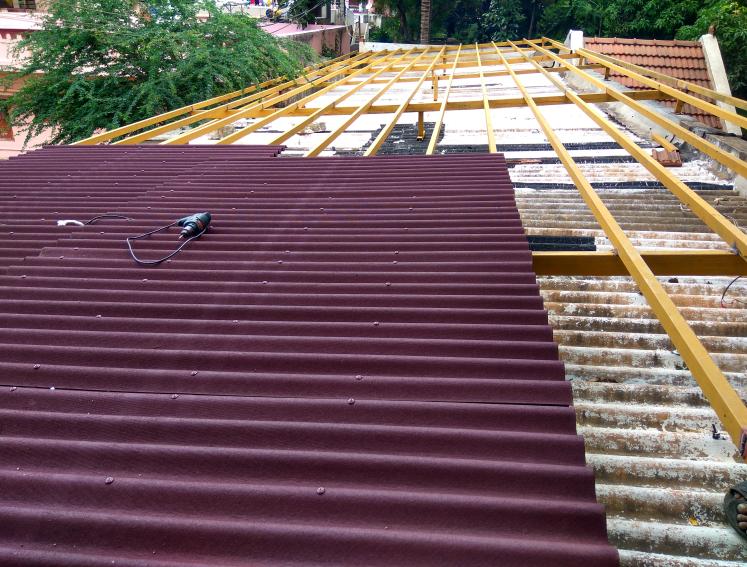
Should you opt for Roof Replacement or Over Roofing?
When you must decide between roof replacement and over roofing understanding the costs and evaluating your options is very important. Over-roofing offers several advantages as you can see above. Over-roofing can be a cost-effective and efficient solution for homeowners and project managers looking to extend the life of their roof without the added expense and disruption of a full replacement. It is the best choice when the existing roof structure is sound, and you want to save money while improving the roof’s appearance and durability.
If you're looking for a lightweight and durable roofing solution for your roof renovation, we recommend using ONDULINE roofing products. ONDULINE is an ideal choice for tropical regions as they are does not rust and have high wind resistance. They provide long-lasting protection and aesthetic appeal. You can choose from their range of roofing sheets as well as lightweight roof tiles ONDUVILLA, to enhance the performance of your over-roofing project, ensuring long-term protection and aesthetic appeal.